Dixie Locksmith Service Team
Local locksmith team
Jun 15, 2026 9 min read
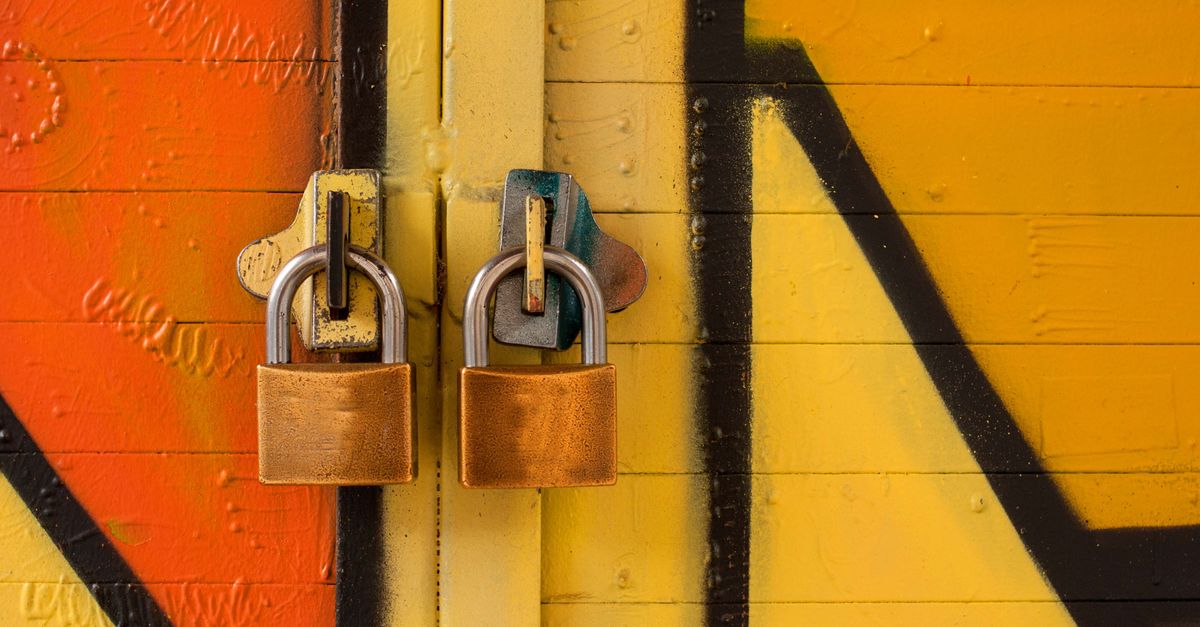
Rekeying is a smart, practical move in many situations — new roommate, lost key, recent move into a house off Salem Avenue. But there are times when rekeying simply won't cut it, and putting a fresh set of pins into a worn-out or compromised lock body is a little like patching a tire that's already shredded. Knowing the difference can save you money, frustration, and — most importantly — the security of your home or business.
At Dixie Locksmith, our mobile team serves homeowners and property owners throughout the Dayton area every day. We get this question constantly: 'Can't you just rekey it?' Sometimes yes. But when the answer is no, we'll tell you honestly — and explain exactly why replacement is the right call. Here's how to read the signs yourself before we arrive.
## What Rekeying Actually Does — and Where It Falls Short
Rekeying changes the internal pin configuration of your existing lock cylinder so that old keys no longer work. It's a legitimate, effective solution when the lock hardware itself is in solid condition. The key phrase there is 'in solid condition.' Rekeying does nothing to fix a cylinder that wobbles, a bolt that sticks, a mortise lock body with cracked internals, or a strike plate that's been bent out of alignment. If the hardware is compromised, you're essentially trusting your security to a lock that was already failing — just with a new key cut for it.
The most common mistake homeowners make is choosing rekey over replacement purely on the assumption that replacement costs more. The factors that determine your final quote — lock type, whether it's a standard cylindrical or a more complex mortise lock, parts availability, and time of day for a service call — mean replacement is sometimes closer in cost than people expect. More importantly, a lock that needs replacing and doesn't get replaced is a liability, not a savings.
## Signs Your Mortise Lock or Door Lock Needs Full Replacement
A mortise lock is the rectangular lock body that fits into a pocket (the 'mortise') cut into the edge of a door. They're common on older Dayton-area homes, historic properties near the Oregon District, and commercial storefronts with heavy-duty steel or wood doors. Unlike a simple cylindrical lock that grips the door surface with a rose and faceplate, a mortise lock body houses the entire latch and deadbolt mechanism internally. That complexity is what makes them so strong — but it also means that when the body itself starts to fail, a new cylinder alone won't solve anything. Watch for these specific warning signs: the lock case feels loose inside the door pocket even after the set screws are tightened; the latch or deadbolt no longer throws fully or retracts smoothly without forcing it; you can see cracks or fractures in the cast body through the faceplate opening; or the cam that connects the cylinder to the latch mechanism has rounded off and spins without engaging. Any one of these means the mortise body itself needs to come out.
For cylindrical and knob-style locks — your standard door knob lock on a residential entry — replacement is warranted when the knob spins freely without retracting the latch, when the rose plate is loose and wobbling (indicating internal damage), when the lock was drilled, punched, or heavily pried during a break-in attempt, or when the door hardware is so old that compatible replacement cylinders are no longer manufactured. Trying to rekey a lock with a damaged plug or a cracked brass cylinder shell is a short-term fix that will fail under pressure — sometimes literally.
## Post-Break-In Damage: Why Replacement Is Almost Always the Answer
If your home or business has experienced a break-in — or even a serious break-in attempt — the lock and surrounding door frame should be professionally inspected before you rely on them again. Forced entry typically involves one of several methods: kicking the door (which damages the strike plate and frame, not just the lock), using a pry bar between the door and jamb (which bends the bolt, damages the faceplate, and can crack a mortise lock body), or attacking the cylinder directly. In every one of these scenarios, the visible damage is rarely the whole story. A bolt that appears to throw normally after an attack may have internal shear damage that causes it to fail the next time it matters.
This is not a situation for a DIY fix or a simple rekey. After a break-in, Dixie Locksmith's mobile team will assess both the lock and the door frame, replace damaged hardware with appropriately graded locks for the application — including jimmy proof door locks for doors without deep enough frames for a standard deadbolt — and address the strike plate and frame reinforcement at the same time. Jimmy proof door locks (surface-mounted interlocking deadbolts) are particularly useful in rental units and commercial settings where the door construction doesn't support a mortise pocket or full-bore deadbolt installation. If you've just dealt with a break-in attempt anywhere in the Dayton area, call us at 937-857-5726 — we're available around the clock and can be on-site fast.
## When Upgrading Makes More Sense Than Repairing — Including Commercial Door Locks
Sometimes the existing lock isn't broken — it's just simply not up to the job anymore. This is especially true for commercial properties. A storefront on Brown Street running a small business has different security needs than it did ten or twenty years ago. If you're still relying on a basic pin-tumbler knob lock on a glass door, a hollow-core door with a standard deadbolt, or an aging mortise lock cylinder that a commercial door locksmith would immediately flag as a Grade 3 (residential-grade) unit in a commercial application, it's time for an honest conversation about upgrading. For commercial glass door locks, a mortise lock cylinder set into a narrow-stile aluminum frame is the industry-standard choice because it puts the entire lock mechanism inside the frame rather than on the surface — dramatically reducing the leverage an intruder can apply.
Homeowners sometimes ask: can you replace a mortise lock with a cylindrical lock? The short answer is yes, in many cases, though it requires filling and refinishing the mortise pocket in the door edge and may involve some door prep work. Whether that swap makes sense depends on the door material, the door age, the security level required, and the aesthetic of the home. Our team walks through those specifics on-site before recommending anything. The goal is always the right lock for the right door — not the easiest or fastest solution.
## Mobile Locksmith Service Dayton: What to Expect When We Arrive
Dixie Locksmith is a fully mobile operation — there's no storefront you need to visit, no appointment window that requires you to take a day off work. Our experienced technicians carry a broad inventory of residential and commercial lock hardware on the vehicle, which means most replacements can be completed in a single visit without ordering parts and scheduling a return trip. We serve the full Dayton metro — from Kettering and Beavercreek to Trotwood and Huber Heights — and as an emergency locksmith service we operate 24 hours a day, seven days a week, including holidays.
When you call, we'll ask a few quick questions about the lock type, the door, and what prompted the call. Before any work begins, we confirm an exact price with you — the final quote accounts for the lock grade and hardware selected, any door prep required, the time of the call, and our travel to your location. There are no surprise charges after the fact. For situations where you're locked out entirely and need access restored before we can assess what needs replacing, our skilled technicians handle that first, then walk you through the hardware evaluation. If you're in a situation where you need to secure a door temporarily — for example, a damaged lock after an incident — we can advise on interim measures like how to lock your door without a door knob using a security bar or portable door lock until permanent hardware is installed. Call 937-857-5726 any time — we answer 24/7.
Frequently asked questions
What is an emergency locksmith, and is a broken or compromised lock considered an emergency?+
An emergency locksmith is a trained professional who responds to urgent lock, key, and security situations outside of normal business hours — or any time where waiting is genuinely risky. A broken lock absolutely qualifies. If your door won't lock, your lock was damaged in a break-in attempt, or your mortise lock body has failed and your home or business can't be secured, that's an emergency situation. Dixie Locksmith operates as a 24/7 emergency locksmith service across the Dayton area — call 937-857-5726 and we'll dispatch a mobile technician to your location, day or night.
How much does a locksmith cost in Ohio, and what affects the price for a lock replacement?+
There's no single flat rate for lock replacement in Ohio because several factors shape the final price: the grade and type of lock hardware (a basic cylindrical lock and a commercial-grade mortise lock cylinder are very different products), whether the door requires prep work, the time of day or night for the call, and travel distance to your location. What we can tell you is that Dixie Locksmith confirms an exact price with you before any work starts — no estimates that balloon into surprises. Call 937-857-5726 for a straightforward quote based on your specific situation.
What is a locksmith call out fee, and does Dixie Locksmith charge one?+
A call out fee — sometimes called a service call or dispatch fee — is a charge some locksmith services apply just for sending a technician to your location, separate from the cost of the work itself. Whether and how a call out fee applies varies by company and by the nature of the call. At Dixie Locksmith, we build our pricing transparently: when you call us, we discuss the situation, confirm what's needed, and give you a complete price before we begin. You won't be quoted one number on the phone and handed a different bill at the door. Call 937-857-5726 to get a clear answer for your specific job.
What locks can locksmiths not open, and does that affect whether a lock needs replacing?+
A skilled locksmith can open the vast majority of residential and commercial locks through legitimate, non-destructive methods — this is a core part of the training. There are some high-security locks with anti-pick, anti-drill, and anti-bump features specifically engineered to resist bypass; these may require a destructive entry method in a genuine lockout, which would then require replacement of the cylinder or lock body regardless. More commonly, a lock that can no longer be opened with its own key — due to internal wear, a broken key fragment, or a failed cam — has reached the end of its functional life and needs replacement rather than rekeying. Our mobile team assesses every situation on-site and recommends the least invasive effective solution.