Understanding Hyundai Key Technology: Why Replacement Is Not Simple
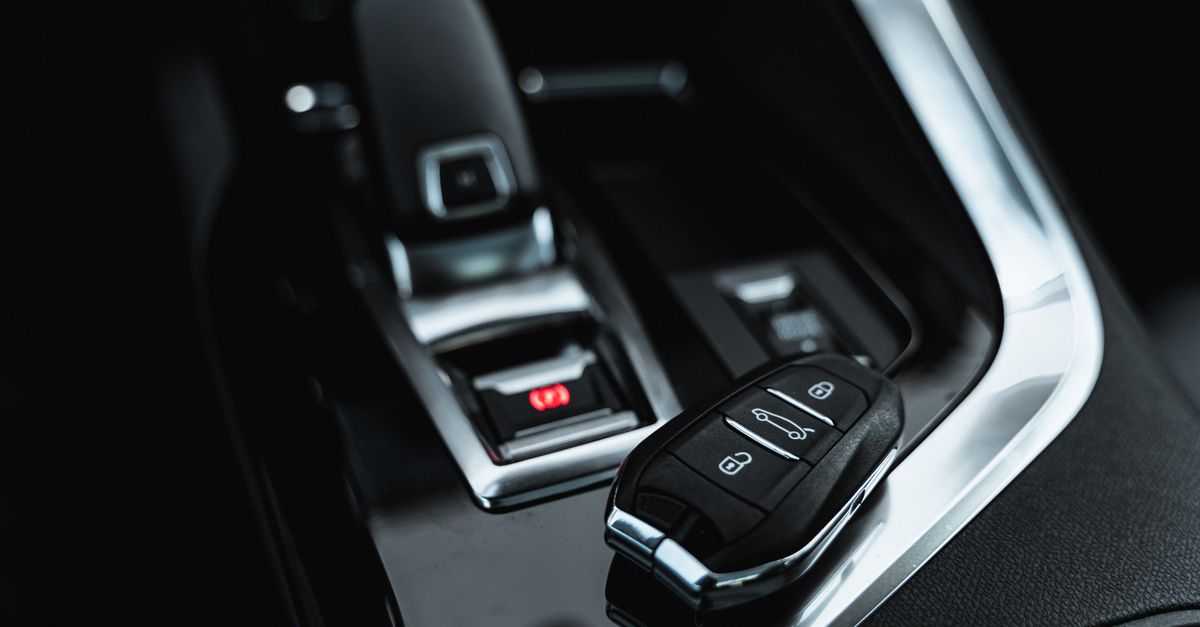
Not all Hyundai keys are created equal, and the type your vehicle uses directly affects what the replacement process involves. Older Hyundai models used a basic transponder key — a metal blade with a small chip embedded in the plastic head. That chip communicates a unique code to the car's immobilizer every time you turn the ignition. If the code is absent or wrong, the engine will not start, even with a perfectly cut blade. Mid-range models introduced remote head keys, which combine the transponder with lock and unlock buttons. Newer Hyundai vehicles — including many Elantra, Tucson, Santa Fe, Sonata, and Kona trims — use proximity smart keys or push-to-start fobs that rely on rolling security codes and two-way communication with the vehicle's body control module.
Programming these keys requires professional-grade diagnostic equipment, not consumer-level tools. Our technicians carry the software and hardware to read your vehicle's existing security parameters, generate the correct key data, and bind the new key to your specific Hyundai — all without leaving you stranded. If you have a Hyundai Elantra HEV or another hybrid variant, the process is the same but our team is specifically familiar with the additional considerations those vehicles carry. The bottom line: the moment your key is lost, broken, or stops being recognized by your car, a trained mobile locksmith who programs keys on-site is almost always the most practical solution available in Dayton.