How Car Key Replacement Works by Vehicle Brand
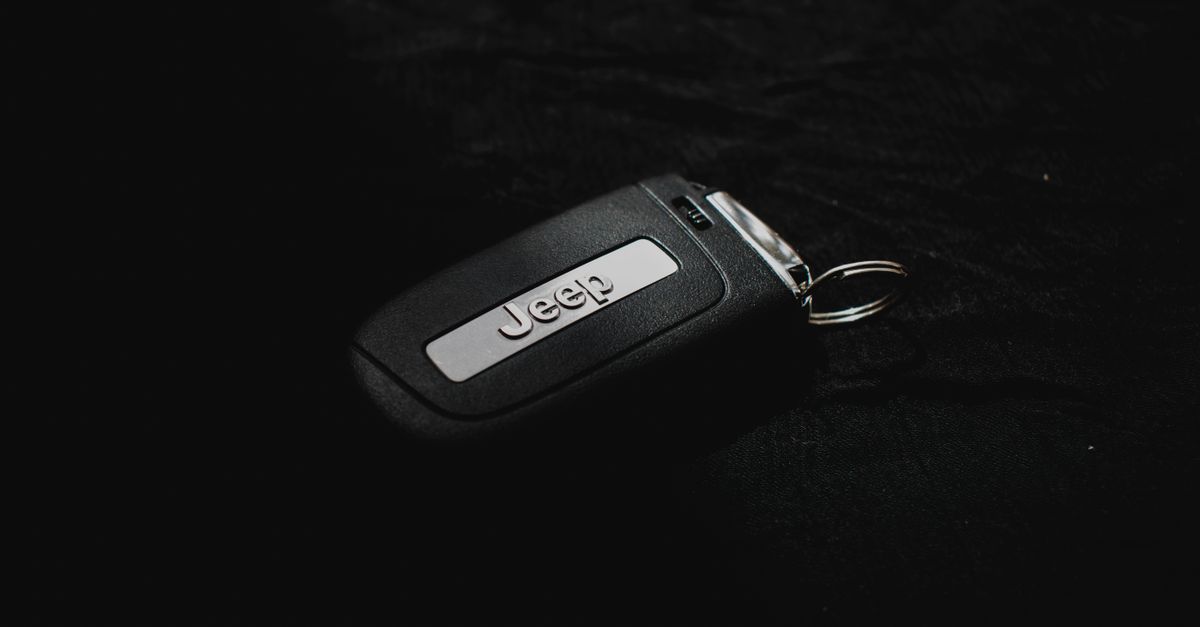
Not all replacement keys are created equal, and the process varies significantly by manufacturer. For General Motors vehicles — Chevrolet, GMC, Buick, and Cadillac — many models from the early 2000s onward use transponder chips that must be programmed to match the vehicle's Engine Control Module. Our technicians carry the professional-grade programming interfaces needed to pair new keys to GM's security architecture without triggering anti-theft lockouts. Ford and Lincoln keys, including the widely used 80-bit encrypted transponders and the newer PATS (Passive Anti-Theft System) keys, require a specific seed-and-key exchange that our equipment handles in the field. Stellantis vehicles — Chrysler, Dodge, Jeep, Ram — frequently use proximity fobs with rolling codes that must be synced via dealer-level scan tools, which we bring to you.
For Toyota, Lexus, Honda, and Acura, smart key systems have become standard across most trim lines, and programming a new fob involves writing the key's ID to the immobilizer system on the vehicle itself. Hyundai and Kia models — increasingly popular on Dayton roads — shifted heavily to push-to-start proximity keys, and a replacement requires both cutting the emergency blade and programming the fob to the BCM. German makes like BMW, Mercedes-Benz, and Audi use encrypted infrared or Bluetooth-adjacent communication protocols that demand regularly updated software databases. Our team stays current with those updates so we can serve Dayton drivers regardless of what is sitting in their driveway. If you need immediate help, call 937-857-5726 — we answer 24 hours a day, 7 days a week and can be on the road to you in minutes.